


|
|
|
|---|
 |
 |
 |
 |
 |
|
 |
|---|
不完满才是人生 --季羡林语录 富者有礼高质,贫者有礼免辱,父子有礼慈孝,兄弟有礼和睦,夫妻有礼情长,朋友有礼义笃,社会有礼祥和。 知足知不足,有为有不为。只有知不足的人才能为人类文化做出贡献。 对待一切善良的人,不管是家属,还是朋友,都应该有一个两字箴言:一曰真,二曰忍。真者,以真情实意相待,不允许弄虚作假;对待坏人,则另当别论。忍者,相互容忍也。 走运时,要想到倒霉,不要得意得过了头;倒霉时,要想到走运,不必垂头丧气。心态始终保持平衡,情绪始终保持稳定,此亦长寿之道。 自己生存,也让别的动物生存,这就是善。只考虑自己生存不考虑别人生存,这就是恶。 要说真话,不讲假话。假话全不讲,真话不全讲。” “就是不一定把所有的话都说出来,但说出来的话一定是真话。 每个人都争取一个完满的人生。然而,自古及今,海内海外,一个百分之百完满的人生是没有的。所以我说,不完满才是人生。 Imperfection Is Life Itself - Quotes by Ji Xianlin The rich who are courteous show dignity; the poor who are courteous avoid humiliation. Between father and son, courtesy brings kindness and filial piety; between brothers, it brings harmony; between husband and wife, it deepens affection; between friends, it strengthens loyalty; in society, it creates peace and concord. Be content, yet know your discontent; do what should be done, and refrain from what should not. Only those who are aware of their own insufficiency can truly contribute to human civilization. In dealing with all kind-hearted people,whether family or friends,remember two guiding words: sincerity and forbearance. Sincerity means treating others with genuine feeling, never with deceit; toward evildoers, the rule differs. Forbearance means mutual tolerance and understanding. When fortune smiles upon you, think of misfortune—do not be carried away by success. When misfortune strikes, think of better days—do not sink into despair.To keep one’s mind balanced and one’s emotions steady—this, too, is the secret of longevity.
To live oneself, and to allow other creatures to live as well—that is goodness. Everyone strives for a perfect life. Yet from ancient times to the present, at home or abroad, a life that is one hundred percent perfect has never existed.
Introduction to the author: Ji Xianlin (August 6, 1911 – July 11, 2009), courtesy name Xibu, was a renowned Chinese linguist, Orientalist, translator, writer, and master of Chinese studies. Born in Linqing, Shandong Province, he entered Qinghua University in 1930 and later pursued advanced studies at the University of Göttingen in Germany, specializing in Sanskrit, Pali, and Tocharian languages, where he earned a Ph.D. in philosophy. After returning to China, he taught for decades at Beijing University and served as its Vice President as well as a member of the Chinese Academy of Social Sciences. Ji made outstanding contributions to cultural exchange between China and the world, to Oriental studies, Buddhist linguistics, and literary translation. He was widely honored as a “master of Chinese learning, a pillar of academia, and a bridge between Eastern and Western civilizations.” His major works include 《The Collected Works of Ji Xianlin》, 《Ten Years in Germany》, and 《Between Heaven and Man》.
|
|
|---|

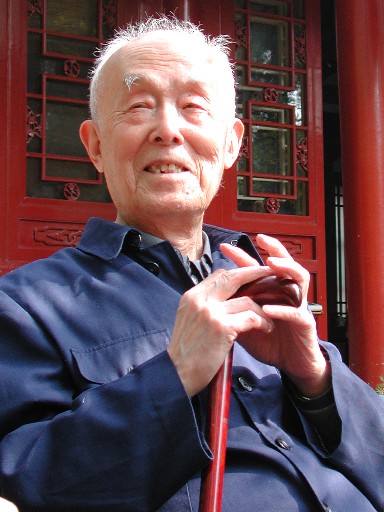 【作者简介】季