
|
|
|
|---|
 |
 |
 |
 |
 |
|
 |
|---|
|
有道以理之
When There Is the Way to Guide Affairs 有道以理之,法虽少足以治矣;无道以临之,命虽众足以乱矣。- 《文子》【註1】 When there is the Way to guide affairs, even few laws are enough to maintain order; but when there is no Way in governing, though many decrees are issued disorder will still be brought about. -- 《Wenzi》 道德仁义定, 而天下正。 -《说苑》【註2】 Where virtue and righteousness are established firm, then the realm will stands in order. - 《Shuoyuan》 与善人居,如入兰芷之室,久而不闻其香,则与之化矣。与恶人居,如入鲍鱼之肆,久而不闻其臭,亦与之化矣。-《说苑》 To live with virtuous people is like entering a room filled with orchids and sweet herbs, you may not notice their fragrance after a while, but you are subtly transformed by it. To associate with wicked people is like entering a shop of salted fish,you may no longer sense the stench after a time, yet you too are changed by it. - 《Shuoyuan》 时不至,不可强生也;事不究,不可强求也。 -《说苑》 When the time has not come, one should not force things to happen; when a matter has not been investigated thoroughly, one should not press for conclusion. - 《Shuoyuan》
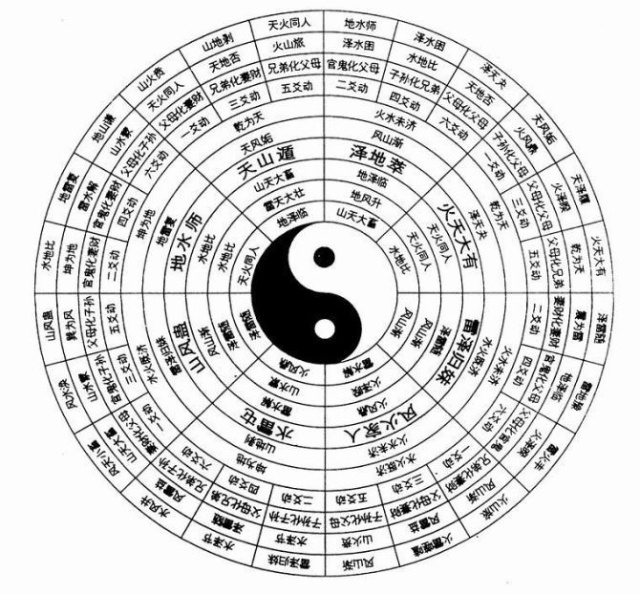
-《周易》【註3】 A tree that grows from the ground rises upward. The noble person cultivates virtue with caution, accumulating small deeds to achieve greatness. - 《Zhou Yi> 【註1】文子(?—?)文子是《文子》(即《通玄真经》)一书作者。,道家人物,相传東周人士,是老子弟子,人称通玄真人。《文子》一書可能是杂揉很多历史人物所汇整的,大致上都是道家思想家,文子是其中之一。 【註2】《说苑》,又名《新苑》,为西汉人刘向所著杂事小说集,宋朝人曾巩校阅。全书共二十卷,收录了先秦到西汉期间的一些历史故事和传说,并附有作者的评论,体现了儒家的思想和观念。在《四库全书》中为子部儒家类。 【註3】 《易經》中国古典文献之一,据说有三种:连山、归藏和周易,合称三易。 《连山》和《归藏》已经失传,《周易》是唯一有传至后世的文献,因此《易经》通常就是指《周易》。相传《周易》是依循周文王主编《易》的著述而来,成书大约在西周时期。 《易经》是古代中国巫师用于推演未来吉凶祸福的卜筮书,自汉代开始尊奉为“五经”之一;《易经》用一套符号形式系统描述事物的变化,表现了中国古典文化的哲学和宇宙观。它的中心思想,是用阴阳符号构成的卦象代表世间万物的运行状态。卜筮者向神明问事,求得卦象,借此预测事情(例如:战争、政事、农收等等)的成败吉凶。
Note 1: Wenzi (dates unknown) Wenzi is the author of the book 《Wenzi》 (also called Tongxuan Zhenjing). He was a Daoist figure, traditionally said to have lived during the Eastern Zhou period and to have been a disciple of Laozi, earning the title “Master of Universal Mystery” (Tongxuan Zhenren). The book Wenzi may be a compilation incorporating the ideas of many historical figures, most of whom were Daoist thinkers, with Wenzi being one of them. Note 2: 《Shuoyuan》, also known as 《Xinyuan》, is a collection of miscellaneous historical anecdotes and stories compiled by Liu Xiang of the Western Han dynasty, later edited by Zeng Gong of the Song dynasty. The complete work consists of twenty volumes and includes various historical stories and legends from the pre-Qin period to the Western Han, accompanied by the author’s commentary, reflecting Confucian thought and values. In the 《Siku Quanshu》, it is categorized under the “Confucianism” section of the “Sub-class of Masters and Scholars” (Zi Bu). Note 3: The 《Yijing》 (Book of Changes) is one of China’s classical texts. It is said to have existed in three versions: Liánshān, Guīzàng, and Zhōuyì, collectively known as the “Three Changes.” Both Liánshān and Guīzàng have been lost, while 《Zhouyi》 is the only version passed down to later generations; therefore, 《Yijing》 usually refers specifically to 《Zhouyi》. According to tradition, 《Zhouyi》 was based on the Yi compiled under the guidance of King Wen of Zhou and was completed around the Western Zhou period. The 《Yijing》 was originally used by ancient Chinese shamans as a divination text to predict future fortune or misfortune. Since the Han dynasty, it has been revered as one of the “Five Classics.” The 《Yijing》 describes changes in the world through a systematic set of symbolic forms, reflecting the philosophy and cosmology of classical Chinese culture. Its central idea is that hexagrams, composed of yin and yang symbols, represent the states and dynamics of all things in the world. Diviners would consult the gods, obtain a hexagram, and use it to predict the success, failure, or fortune of events such as wars, political affairs, or harvests. |
|
|---|
| Contact 联系 | Last Revised
11/06/2025
| |
.jpg)
