


|
|
|
|---|
 |
 |
 |
 |
 |
|
 |
|---|
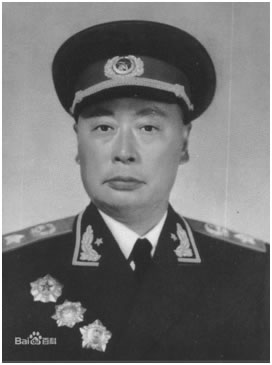
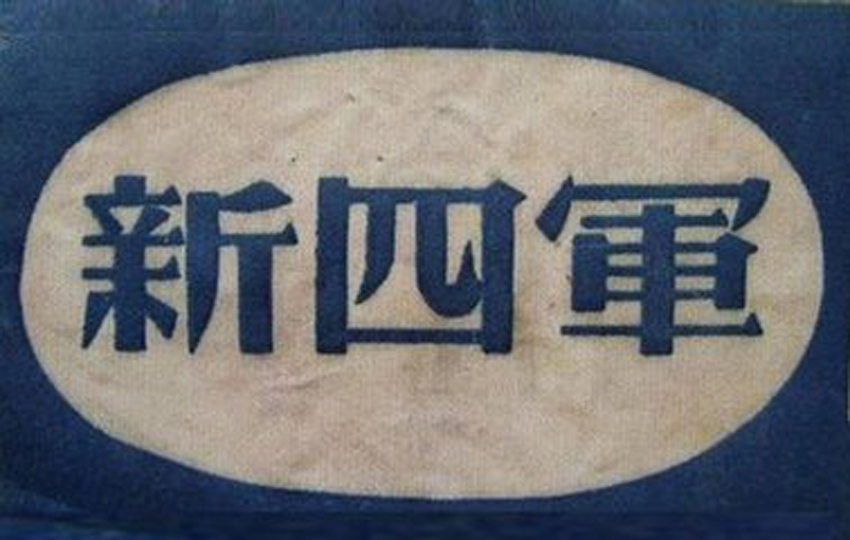
【註】女战士即李珉同志。为了贯彻中共中央新四军向北发展向敌后发展的方针,由陈毅任总指挥的江南新四军主力1940年6月中旬以后开始渡江,向江苏北部移师。部队转移过程中受到日寇和伪军的围追堵截。身受重伤的民运队队员李珉从昏迷中醒来看到同志们流泪痛哭时说:革命流血不流泪。表现了烈士对革命的忠诚和不惧流血牺牲的坚毅性格。陈毅听说了烈士的事迹和她的临终壮言后深受感动,挥笔写下了这首七言绝句。 抗日战争时期,任新四军第一支队司令员,江南指挥部、苏北指挥部指挥,新四军代军长。解放战争时期,任新四军军长兼山东军区司令员,华东军区司令员,华东野战军司令员兼政治委员,中原军区和中原野战军副司令员,第三野战军司令员兼政治委员。中华人民共和国成立后,任华东军区司令员兼上海市市长,人民革命军事委员会副主席,国务院副总理兼外交部部长,中共中央军委副主席。一九五五年被授予元帅军衔。 Note: The female warrior is Comrade Li Min. In order to carry out the policy of the Central Committee of the Communist Party of China for the New Fourth Army to advance northward and operate behind enemy lines, the main force of the Jiangnan New Fourth Army, under the command of Chen Yi, began crossing the Yangtze River in mid-June 1940 and marched toward northern Jiangsu. During the troop movements, they were pursued and blocked by Japanese invaders and puppet troops. Gravely wounded, Li Min, a member of the Civilian Transport Corps, awoke from unconsciousness and, seeing her comrades weeping bitterly, said: “In revolution, one may shed blood but not tears.” This showed the martyr’s loyalty to the revolution and her steadfast spirit unafraid of bloodshed and sacrifice. When Chen Yi heard of her heroic deed and her dying words, he was deeply moved and immediately composed this seven-character quatrain in her honor. Introduction to the poet: Chen Yi (1901-1972), originally named Shijun, styled Zhonghong, was a native of Lezhi County, Sichuan Province. In 1919, he went to France as a work-study student, and in 1921 returned to China. He joined the Communist Party of China in 1923. In 1927, he served as political instructor of the 73rd Regiment, 25th Division, 11th Army in the Nanchang Uprising forces and later took part in leading the Hunan Uprising. During the Agrarian Revolutionary War, he successively served as Party representative of the 1st Division of the Workers’ and Peasants’ Revolutionary Army; Party representative and commander of the 12th Division of the 4th Red Army; secretary of the Military Committee of the 4th Red Army; director of its Political Department; political commissar of the 6th and 3rd Red Armies; secretary of the CPC Southwest Jiangxi Special Committee; commander of the 22nd Red Army; commander-in-chief of the Jiangxi Military Region; commander-in-chief of the Western Army; and director of the General Office of the Central Government of the Chinese Soviet Republic. He led the three-year guerrilla war in southern China. During the War of Resistance Against Japan, he served as commander of the 1st Detachment of the New Fourth Army, commander of the Jiangnan and later Northern Jiangsu Headquarters, and acting commander of the New Fourth Army. During the War of Liberation, he was commander of the New Fourth Army and concurrently commander of the Shandong Military Region, commander of the East China Military Region, commander and political commissar of the East China Field Army, deputy commander of the Central Plains Military Region and Field Army, and commander and political commissar of the Third Field Army. After the founding of the People’s Republic of China, he served as commander of the East China Military Region and concurrently mayor of Shanghai, vice chairman of the People’s Revolutionary Military Commission, vice premier of the State Council and foreign minister, and vice chairman of the CPC Central Military Commission. In 1955, he was conferred the rank of Marshal.
|
s
|
|---|
| Contact 联系 | Last Revised
09/28/2025
| |

.jpg)
.jpg)
