Ode on Eightieth Birthday
by Ye Jianying
(Written 1977)
At eighty no need to discuss rise and fall,
The Long March’s relay has its successors.
Lasting forever will be the cause founded by our teacher,
We, his comrades, can only blush, trailing in the dust.
Millions like Yu Gong join to break and rebuild,
While the world’s hegemonies sink together in ruin.
This old man delights to sing a twilight hymn,
As I see emerald hills glittering in the golden sunsetting.
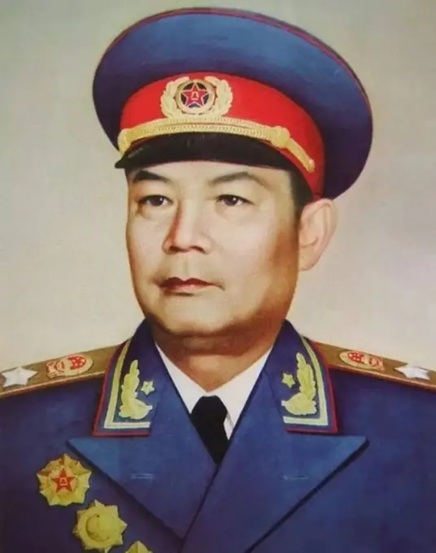 【詩人簡介】葉劍英(1897年4月28日—1986年10月22日),原名宜偉,字滄白,客家人,廣東梅縣人。中國人民解放軍和中華人民共和國的創建者、締造者和主要領導人之一。
葉劍英早年曾任黃埔軍校教授部副主任,國民革命軍第四軍參謀長,參與北伐戰爭。1927年12月葉劍英与张太雷、叶挺等领导了广州起义,任工农红军副总指挥。这次起义,和南昌起义、秋收起义相连接,成为第一次国内革命战争与创立中国工农红军的开端。第一次國共內戰時期,任中革軍委總參謀長、紅一方面軍參謀長等職務,參與歷次反圍剿戰役及長征。抗日戰爭時期,任八路軍參謀長、中央軍委參謀長。第二次國共內戰時期,任中央軍委副總參謀長、中共中央後委書記、華北軍政大學校長兼政治委員。1949年1月,任北平聯合辦事處主任,為和平解放北平做了大量的工作。同年參加中共代表團,同南京國民政府代表團進行和平談判。
中華人民共和國成立後,歷任中共中央華南分局第一書記、廣東軍區司令員兼政治委員、中央人民政府委員、廣東省人民政府主席、廣州市市長,中央人民政府人民革命軍事委員會副主席、中國人民解放軍武裝力量監察部部長、軍事科學院院長兼政委等職務,被授予中華人民共和國元帥軍。在文化大革命期間捲入「二月逆流」案。林彪事件後,葉劍英曾任中共中央政治局常委、中共中央副主席、中共中央軍委副主席、國防部部長。
1976年他與國務院總理華國鋒、中共中央辦公廳主任汪東興等人順應全國人民的意志,聯手粉碎了四人幫。此後擔任全國人大常委會委員長等職。1986年10月22日,葉劍英在北京逝世,安葬於廣州起義烈士陵園。 【詩人簡介】葉劍英(1897年4月28日—1986年10月22日),原名宜偉,字滄白,客家人,廣東梅縣人。中國人民解放軍和中華人民共和國的創建者、締造者和主要領導人之一。
葉劍英早年曾任黃埔軍校教授部副主任,國民革命軍第四軍參謀長,參與北伐戰爭。1927年12月葉劍英与张太雷、叶挺等领导了广州起义,任工农红军副总指挥。这次起义,和南昌起义、秋收起义相连接,成为第一次国内革命战争与创立中国工农红军的开端。第一次國共內戰時期,任中革軍委總參謀長、紅一方面軍參謀長等職務,參與歷次反圍剿戰役及長征。抗日戰爭時期,任八路軍參謀長、中央軍委參謀長。第二次國共內戰時期,任中央軍委副總參謀長、中共中央後委書記、華北軍政大學校長兼政治委員。1949年1月,任北平聯合辦事處主任,為和平解放北平做了大量的工作。同年參加中共代表團,同南京國民政府代表團進行和平談判。
中華人民共和國成立後,歷任中共中央華南分局第一書記、廣東軍區司令員兼政治委員、中央人民政府委員、廣東省人民政府主席、廣州市市長,中央人民政府人民革命軍事委員會副主席、中國人民解放軍武裝力量監察部部長、軍事科學院院長兼政委等職務,被授予中華人民共和國元帥軍。在文化大革命期間捲入「二月逆流」案。林彪事件後,葉劍英曾任中共中央政治局常委、中共中央副主席、中共中央軍委副主席、國防部部長。
1976年他與國務院總理華國鋒、中共中央辦公廳主任汪東興等人順應全國人民的意志,聯手粉碎了四人幫。此後擔任全國人大常委會委員長等職。1986年10月22日,葉劍英在北京逝世,安葬於廣州起義烈士陵園。
Introduction to the poet:
Ye Jianying (April 28, 1897 – October 22, 1986), born Yiwei, courtesy name Cangbai, was a Hakka native of Meixian, Guangdong Province. He was one of the founders, builders, and principal leaders of the People’s Liberation Army (PLA) and the People’s Republic of China (PRC).
In his early years, Ye Jianying served as deputy director of the teaching department at the Whampoa Military Academy and chief of staff of the 4th Army of the National Revolutionary Army, taking part in the Northern Expedition. In December 1927, together with Zhang Tailei and Ye Ting, he led the Guangzhou Uprising, serving as deputy commander-in-chief of the Workers’ and Peasants’ Red Army. This uprising, linked with the Nanchang Uprising and the Autumn Harvest Uprising, marked the beginning of the 1st Chinese Revolutionary Civil War and the founding of the Chinese Workers’ and Peasants’ Red Army.
During the First Chinese Civil War, he served as chief of staff of the Central Revolutionary Military Commission, chief of staff of the Red First Front Army, and other posts, taking part in successive anti-encirclement campaigns and the Long March. During the War of Resistance Against Japan, he was chief of staff of the Eighth Route Army and of the Central Military Commission. In the Second Chinese Civil War, he served as deputy chief of staff of the Central Military Commission, secretary of the CPC Central Committee’s Rear Area Committee, and president and political commissar of the North China Military and Political University.
In January 1949, he became director of the Beiping (Beijing) Joint Office, making major contributions to the peaceful liberation of Beiping. That same year, he joined the CPC delegation in peace negotiations with the Nanjing Nationalist Government delegation.
After the founding of the PRC, he successively held posts including first secretary of the CPC South China Bureau, commander and political commissar of the Guangdong Military Region, member of the Central People’s Government, chairman of the Guangdong Provincial People’s Government, mayor of Guangzhou, vice chairman of the People’s Revolutionary Military Commission of the Central People’s Government, minister of the PLA’s Department of Armed Forces Supervision, and president and political commissar of the Academy of Military Sciences. He was awarded the rank of Marshal of the PRC.
During the Cultural Revolution, he was implicated in the so-called “February Countercurrent” incident. After the Lin Biao affair, Ye Jianying served as a member of the Standing Committee of the CPC Central Political Bureau, vice chairman of the CPC Central Committee, vice chairman of the Central Military Commission, and minister of national defense.
In 1976, together with Premier Hua Guofeng and Wang Dongxing, director of the General Office of the CPC Central Committee, he responded to the will of the people and helped lead the effort to crush the “Gang of Four.” He later served as chairman of the Standing Committee of the National People’s Congress.
On October 22, 1986, Ye Jianying passed away in Beijing and was buried in the Guangzhou Uprising Martyrs’ Cemetery. |











.jpg)

