


|
|
|
|---|
 |
 |
 |
 |
 |
|
 |
|---|
【註】 ① 东陵瓜: 《三辅黄图·都城十二门》:“长安城东出南头一门曰霸城门,民见门色青,名曰青城门,或曰青门,门外旧出佳瓜,广陵人邵平……种瓜青门外。“《史记·萧相国世家》“召平者,故秦东陵侯。秦破,为布衣,贫,种瓜于长安城东,瓜美,故世俗谓之‘东陵瓜’。” 召平或作“邵平”。东陵瓜又称“青门瓜”。 ② 膏火自煎熬: 油脂因能照明而致燃烧,比喻人因有才能或有财产而得祸。出自《庄子·人间世》:“山木自寇也,膏火自煎也。”
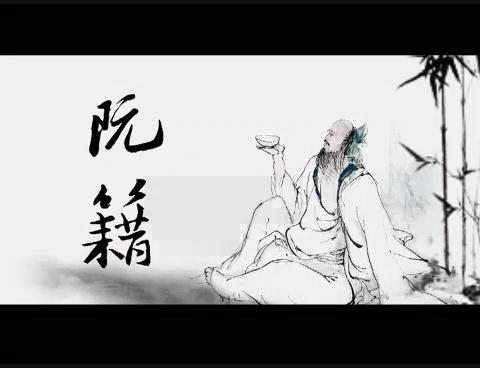
【诗人简介】阮籍 (210年~263年),中国三国时期曹魏末年诗人。字嗣宗。陈留尉氏(河南开封)人。阮瑀之子。曾任步兵校尉,世称阮步兵。思想上崇奉老庄;政治上采取谦退冲虚、谨慎避祸的态度。他与嵇康、向秀、刘伶等7人为友,常集于竹林之下肆意酣畅,世称竹林七贤。 Notes: ① Eastern Tomb Melon: In 《Three Aides’ Gazetteer Sanfu Huangtu · “The Twelve Gates of the Capital”》: “To the east of Chang’an city, the southernmost gate was called Bacheng Gate. Because the color of the gate was green, the people called it ‘Qingcheng Gate,’ or simply ‘Qingmen.’ Outside this gate fine melons were produced. Shao Ping of Guangling … grew melons outside Qingmen.” In 《Records of the Grand Historian》 · “The Hereditary House of Chancellor Xiao”: “Zhao Ping, formerly Marquis of Dongling under the Qin. After the Qin collapsed, he lived as a commoner, poor, and grew melons east of the city of Chang’an. The melons were excellent, so people commonly called them ‘Dongling melons.’” The name Zhao Ping is sometimes written as Shao Ping. Dongling melons were also called ‘Qingmen melons.’ ② Burning oil is self-consuming: Because oil can provide light, it also consumes itself in burning. This became a metaphor: people may suffer harm because of their own talent or wealth. From 《Zhuangzi》 · “In the World of Men”: Introduction to the poet: Ruan Ji (210–263) was a poet of the late Cao Wei period during the Three Kingdoms era in China. His courtesy name was Sizong. He was from Wushi in Chenliu (modern Kaifeng, Henan Province), and the son of Ruan Yu. He once served as Captain of Infantry, for which he was commonly known as “Ruan the Captain of Infantry.” In thought, he revered Laozi and Zhuangzi; in politics, he adopted an attitude of modest withdrawal, emptiness, and cautious avoidance of misfortune. He was a close friend of Ji Kang, Xiang Xiu, Liu Ling, and others, forming a group of seven who often gathered beneath bamboo groves to indulge freely in wine and conversation. They were later known as the “Seven Sages of the Bamboo Grove.”
|
|
|---|
| Contact 联系| Last Revised
11/19/2025
| |


.jpg)

