


|
|
|
|---|
 |
 |
 |
 |
 |
|
 |
|---|
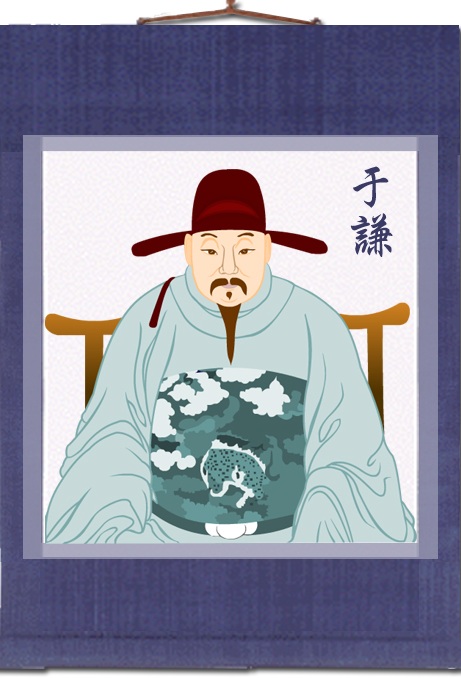
【詩人简介】于謙(1398年-1457年),字廷益,号节庵,谥忠肃,明朝浙江承宣布政使司杭州府錢塘縣(今浙江省杭州市)人。明朝兵部尚书。 于謙由進士出身,因參與平定漢王朱高煦謀反有功,得到明宣宗器重,擔任明朝山西河南巡撫。明英宗時期,因得罪王振下獄,后釋放,起為兵部侍郎。土木堡之變后,于謙繼任兵部尚書,指挥明军取得京師保衛戰的勝利。代宗朝,于謙官至少保、太子太傅,世稱于少保。英宗發動奪門之變并成功复辟后,于謙被诬陷下狱而冤死。成化年間获得平反。現北京市、杭州西湖旁均有紀念于謙的祠堂、故居。 Introduction to the poet: Yu Qian (1398–1457), courtesy name Tingyi, sobriquet Jie’an, posthumous title Zhongsu, was a native of Qiantang County, Hangzhou Prefecture, Zhejiang Provincial Administration Commission of the Ming dynasty (present-day Hangzhou, Zhejiang Province). He served as Minister of War during the Ming dynasty. Yu Qian rose through the jinshi examination. For his merits in helping suppress the rebellion of Prince of Han, Zhu Gaoxu, he gained the favor of Emperor Xuanzong of Ming and was appointed Regional Inspector of Shanxi and Henan Provinces. During the reign of Emperor Yingzong, he offended the powerful eunuch Wang Zhen and was imprisoned, but later released and reinstated as Vice Minister of War. After the Tumu Fortress Incident, Yu Qian succeeded as Minister of War and commanded the Ming army to victory in the Defense of Beijing. During the reign of Emperor Daizong, Yu Qian held the posts of Junior Guardian of the Heir Apparent and Grand Tutor to the Crown Prince, earning him the popular title “Yu Shaobao.” After Emperor Yingzong staged the 夺门之变 (“Incident of Seizing the Gate”) and successfully restored himself to the throne, Yu Qian was falsely accused, imprisoned, and executed unjustly. In the Chenghua era, his name was rehabilitated. Today, both Beijing and Hangzhou (by West Lake) preserve memorial temples and former residences in honor of Yu Qian.
|
|
|---|
| Contact 联系| Last Revised
11/18/2025
| |


.jpg)

