|
战士和苍蝇【註】
鲁迅
(作于 1925)
战士战死了的时候,苍蝇们所首先发见的是他的缺点和伤痕,嘬着,营营地叫着,以为得意,以为比死了的战士更英雄。但是战士已经战死了,不再来挥去他们。于是乎苍蝇们即更其营营地叫,自以为倒是不朽的声音,因为它们的完全,远在战士之上。
的确的,谁也没有发见过苍蝇们的缺点和创伤。然而,有缺点的战士终竟是战士,完美的苍蝇也终竟不过是苍蝇。
Warrior Vs. Fly
by Lu Xun
(Written 1925)
When a warrior has fallen dead in battlefield, the foremost things flies try to find are his flaws and wounds. The flies suck them, hissing, intoxicated to think that they are more heroic than the fallen fighter. Since the warrior is dead and would not be able to drive them away, the flies are hissing and jeering more loudly, believing they are creating immortal voices because their bodies are more perfect than the warrior’s.
It’s true no one has ever studied or found the defects and wounds of flies. Yet, the warrior for all his flaws is a warrior, while the most dazzling fly is nevertheless only a fly.
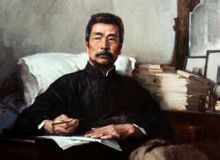
【註】《战士和苍蝇》是现鲁迅于1925年写的一篇杂文。此文先阐明了“有缺点、创伤并不影响战士”的这个唯物主义观点,而后在这个基础上,以“苍蝇”这个丑恶的形象作比喻,揭露当时军阀统治者卑鄙的本质。文章以苍蝇对于战士的嗡嗡营营,将伟大与渺小,崇高与恬卑,高尚与卑鄙对照起来,从而得出苍蝇根本不可与战士相比拟的明确结论。全文短小精悍,比喻确切,对比鲜明,语言有力,论述自然,哲理深刻。
【作者简介】鲁迅(1881年9月25日—1936年10月19日),原名周树人,字豫才,浙江绍兴人。中国著名文学家、思想家、革命家、教育家、美术家、书法家、民主战士,新文化运动的重要参与者,中国现代文学的奠基人之一。鲁迅创造性地从中华优秀传统文化中汲取营养,创作出具有中国作风、中国气派的现实主义文学作品。
他早年赴日本留学,于日本仙台医科专门学校肄业。 他积极保卫和发扬五四新文化运动成果、反对和冲破当时政府的文化压迫。
“鲁迅”,是他在1918年发表《狂人日记》时所用的笔名,也是最为广泛的笔名。鲁迅一生在文学创作、文学批评、思想研究、文学史研究、翻译、美术理论引进、基础科学介绍和古籍校勘与研究等多个领域具有重大贡献。他对于五四运动以后的中国社会思想文化发展具有重大影响,蜚声世界文坛,尤其在韩国、日本思想文化领域有极其重要的地位和影响,被誉为“二十世纪东亚文化地图上占最大领土的作家”。 被评价为:“鲁迅的方向,就是中华民族新文化的方向,也被称为“民族魂”。
Note: “The Warrior and the Fly” is an essay written by Lu Xun in 1925. The piece first sets forth a materialist view—that “flaws and wounds do not diminish a warrior.” On this basis, it then employs the repulsive image of a “fly” as a metaphor to expose the despicable nature of the warlord rulers of the time. By portraying the buzzing and meddling of flies around the warrior, the essay contrasts greatness with pettiness, loftiness with baseness, nobility with vileness, thereby reaching the clear conclusion that flies can in no way be compared with warriors. The work is concise and powerful, with precise metaphors, sharp contrasts, vigorous language, natural argumentation, and profound philosophical insight.
Introduction to the author:
Lu Xun (1881–1936), a founding figure of modern Chinese literature. His original name was Zhou Shuren, courtesy names Yushan and Yuting, later changed to Yucai. He was a native of Shaoxing, Zhejiang Province. In May 1918, he first used the pen name “Lu Xun” when publishing 《Diary of a Madman》, the first vernacular short story in the history of Chinese literature.
His writings focused mainly on fiction and essays. Representative works include the short story collections 《Call to Arms》, 《Wandering》, and 《Old Tales Retold》; the prose collection 《Dawn Blossoms Plucked at Dusk》; the literary treatise 《A Brief History of Chinese Fiction》; the prose-poem collection 《Wild Grass》; and essay collections such as 《Tomb》, 《Hot Wind》, and 《Threads of Thought Under the Umbrella》, among a total of 18 works.
Chairman Mao Zedong praised him as a great proletarian writer, thinker, and revolutionary, the chief commander of China’s cultural revolution, and he has also been hailed as the “Soul of the Nation.”

|










.jpg)

