蝶恋花(外三首)
--辛亥秋哭黄花岗诸烈士
黄兴
(1911年秋)
转眼黄花香发处,
为嘱西风,
暂把香留住。
待酿满枝清艳露,
和香吹无情墓。
回首羊城三月暮,
记血肉纷飞,
气吞狂虏。
事成垂败原鼠子,
英雄地下长无语。
|
Elegy for the Huanghuagang Martyrs
- To the tune of Die Luan Hua
(Written in Autumn 1911)
by Huang Xing
The yellow blossoms give forth fragrance in a blink,
I bid the west wind,
Please hold the scent for a while.
When the clear and pure dewdrops are all brewed,
Waft the sweetness to the callous tombs.
Look back to late March in Canton,
Blood and flesh burst flying all around,
The spirit that swallowed the raging foe.
Victory in sight was ruined by traitors,
The heroes in the graves lie speechless forever.
—赠侠少年李沛基①
(1911年9月)
画舸天风吹客去,
一段清秋,
不诵新词句。
闻道高楼人独往,
感怀定有登临赋。
昨夜晚凉添几许,
梦枕惊回,
独自思君语:
“莫道珠江行役苦,
只愁搏浪锥②难铸!”
To Li Peiji, the Gallant Youth
--To the tune of Die Lian Hua
(Written in September 1911)
A painted barge borne by heaven’s winds carries the guest away.
In this stretch of clear autumn,
No new verses are recited.
I hear you climb high towers alone,
Stirred by feeling you must have a rhapsody upon the scene.
Last night, as the coolness deepened,
I woke startled from dreams,
Alone, thinking of your words:
“Say not that the Pearl River journey is bitter,
Only I fear the awl for the Bolang mission is hard to forge!”
挽刘道一③
英雄无命哭刘郎,惨澹中原侠骨香。
我未吞胡恢汉业,君先悬首看吴荒④。
啾啾赤子天何意,猎猎黄旗日有光。
眼底人才思国士,万方多难立苍茫。
In Mourning for Liu Daoyi
I weep for Liu, the hero, who lost his life young,
Amid the bleakness of the Central Plain, his knightly spirit still gives fragrance.
I have not yet swallowed the northern barbarians to restore the Han realm;
You were the first to hang your head aloft to witness Wu laid waste.
What does Heaven intend to see crying children everywhere?
The yellow banners snap and stream, still catching the sun’s light.
Before my eyes, I see talented men, worthy of being called national heroes;
Amidst the myriad difficulties of the world, they stand resolute and unwavering.
Before my eyes I search for men of talent, true men of the state;
In a world beset with troubles on all sides, all stands vast and desolate.
三十九初度扬子江中作⑤
三十九年成一梦,到头万事尽随缘。
只余一点丹心在,留与中原照日边。
Written on My Thirty-Ninth Birthday Aboard the Yangtze
Thirty-nine years now all have turned to a dream;
In the end, all things must drift with fate.
Only an unswerving loyal heart still endures,
To shine on the Central Plain at the edge of the sun.
【注】
- 黄花岗之役失败后,黄兴想改用暗杀手段来铲除清朝反动统治阶级。于是派李沛基兄弟等去广州,打算暗杀清朝在粤的大员。李沛基来到广州后,黄兴在香港写这首词给他。此诗写作时间约在一九一一年八、九月间。李沛基、李应生,广东海丰人,两兄弟皆为同盟会成员。其母徐慕兰极具革命思想。很早就秘密加入同盟会。1911年李沛基及其兄李应生参加了“东方暗杀团”,并被派到广州筹设暗杀机关。李沛基和李应生是本诗作者黄兴的姨甥。十六岁的同盟会员李沛基潜入广州后不辱使命,于当年10月25日炸死新任清军守将凤山。清末发生的近50起刺杀清廷高官事件中,李沛基是效率最高的刺客。中华民国成立后,政府以有功于民国的名义,派李沛基和李应生赴美留学。李沛基在美国病逝,李应生学成后回国,在岭南大学任教。
- 博浪椎:《史记·留侯世家》:张良为韩报仇,“得力士,为铁椎重百二十斤。秦皇帝东游,良与客狙击秦皇帝博浪沙中,误中副车。”连上句,意思是;别说往来珠江的辛苦吧,完不成暗杀任务倒是挺叫人发愁的哩!
- 1906年刘道一在萍浏醴起义中牺牲,年仅22岁,黄兴在日本东京闻讯后,与其兄刘揆一相抱痛哭,极度悲愤,乃揮毫潑墨,詩以志哀。此篇與孫中山先生的“挽劉道一”同題挽詩爭輝,堪為近代革命詩史上的雙璧。
- 这是春秋時期战国伍子胥的历史典故的引用。伍子胥是一位将军,他请求将自己的眼睛挖出来挂在城门上,以便亲眼目睹吴国的灭亡。
- 1912年,时值黄兴三十九岁,辛亥革命胜利后乘船在长江归途中感慨万千,写下了这首充满豪气的诗作。
Notes:
① After the failure of the Battle of Huanghuagang, Huang Xing wanted to use assassination methods to eradicate the reactionary ruling class of the Qing Dynasty. So, Li Peiji and his brother were sent to Guangzhou with the intention of assassinating high-ranking officials of the Qing Dynasty in Guangdong. After Li Peiji arrived in Guangzhou, Huang Xing wrote this poem to him in Hong Kong. This poem was written around August or September 1911. Li Peiji and Li Yingsheng from Haifeng, Guangdong Province, were both members of the Chinese Revolutionary Alliance. Their mother Xu Mulan had a strong revolutionary ideology. She secretly joined the Chinese Revolutionary Alliance very early. In 1911, Li Peiji and his brother Li Yingsheng joined the "Eastern Assassination Group" and were sent to Guangzhou to establish an assassination agency. Li Peiji and Li Yingsheng were the nephews of the poet Huang Xing. Li Peiji, a 16-year-old member of the Alliance, did his duty well after sneaking into Guangzhou, and by explosion device killed Fengshan, the new garrison general of the Qing army, on October 25 of that year. Among the nearly 50 assassination incidents that occurred during the late Qing Dynasty, Li Peiji was the most efficient assassin. After the establishment of the Republic of China, the government sent Li Peiji and Li Yingsheng to study in the United States in the name of their contributions to the country. Li Peiji passed away in the United States. After completing his studies, Li Yingsheng returned to China to teach at Lingnan University.
② Bolang Hammer: The “Biography of Marquis of Liu” in《Records of the Grand Historian》records that Zhang Liang sought revenge for the state of Han and “recruited a strong man to wield an iron hammer weighing 120 catties. When the First Emperor of Qin traveled east, Zhang and his associates ambushed him at Bolangsha, but they missed and struck the carriage beside him instead”. Taken together with the previous line, the meaning is: Don’t complain about the hardships of traveling along the Pearl River; what’s truly troubling is failing to accomplish an assassination mission!
③ In 1906, Liu Daoyi was killed during the Ping-Liu-Li uprising at the age of 22. Upon hearing the news in Tokyo, Japan, Huang Xing and Daoyi’s brother Liu Kuiyi embraced each other and wept bitterly, overwhelmed with grief and indignation. He then composed a poem to express his sorrow. This poem, along with Dr. Sun Yat-sen's 《Elegy for Liu Daoyi》, stands as a masterpiece of modern revolutionary poetry.
④This is a historical allusion to Wu Zixu, a general in the Spring-Autum and Warring States periods, who requested his eyes be gouged out and hung on the city gate to witness the fall of the Wu Kingdom. ⑤In 1912, when Huang Xing was thirty-nine years old, he wrote this spirited poem while traveling by boat on the Yangtze River after the victory of the 1911 Revolution, filled with a multitude of emotions.
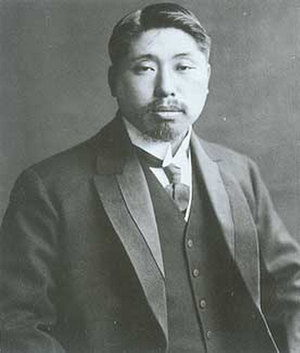
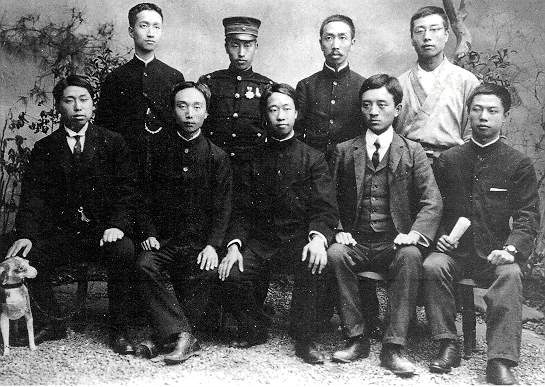
【诗人简介】 黄兴(1874年10月25日-1916年10月31日),湖南省长沙府善化县高塘乡(今长沙市长沙县黄兴镇)人。中华民国开国元勋;辛亥革命时期,以字黄克强闻名当时,与孙中山常被时人以“孙黄”并称。
黄兴1902年赴日留学,参与创办《湖南游学译编》杂志,组织“湖南编译社”,介绍西方科学文化。1903年4月,为反对沙俄拒不从东北撤兵,他同留日学生二百多人组织拒俄义勇队。随后他回国到长沙,暗中进行反清革命活动。1903年11月4日(九月十六),借他三十岁生日为名,为筹措革命资金卖掉自己家36亩庄园,邀陈天华、宋教仁、张继、刘揆一、章行严等二十余人筹商成立秘密革命团体华兴会,后被选为会长。他提出在湖南首先发难,争取各省响应的方略,并决定从联络军、学两界和会党入手,准备在慈禧太后七十岁生辰时,乘机起义。为此黄兴又变卖长沙的祖屋、田产多处筹集革命资金。后事泄,黄兴等被迫流亡日本。在东京,他大力支持孙中山筹组全国革命团体同盟会。
1905年8月同盟会成立,被选为庶务(相当于协理),成为同盟会中仅次于孙中山的重要领袖。此后,他以主要精力从事武装起义,亲自掌握留日陆军学生的入会工作,并从中选拔一些坚定分子组成一个严密的团体 “丈夫团”,为进行武装斗争准备力量。1907~s1908年间,参与或指挥钦州、防城起义,镇南关(今友谊关)起义,钦州、廉州、上思起义与云南河口之役。
1909年秋,受孙中山委派,到香港成立同盟会南方支部,策划广州新军起义。起义失败后,孙中山召集 “庇能会议”,议决倾全党人力物力,在广州再举。1911年初在香港成立领导起义的总机关统筹部,黄兴任部长。于4月27日(三月二十九)发动黄花岗起义,他率敢死队百余人猛攻两广总督衙门,许多革命党人英勇牺牲,黄兴右手受伤,断去两指。起义失败后,他在香港养伤,支持宋教仁、谭人凤等在上海成立同盟会中部总会。10月10日武昌起义爆发,黄兴于28日赶到武汉,被任命为革命军战时总司令,率民军在汉阳前线与清军奋战二十余日。11月27日汉阳失陷后,转赴上海。南京光复后,独立各省代表会议先举他为大元帅,后改为副元帅代行大元帅职权,他均未赴任。
1912年1月1日,南京临时政府成立,黄兴任陆军总长兼参谋总长。6月30日,黄兴参加同盟会上海支部夏季常会,发表政见,说民国成立已半年,而一切未能就绪, “其原因在于政党未能成立”,强调要贯彻三民主义,特别是民生主义。8月25日,同盟会与统一共和党等联合,改组为国民党,黄兴被推为理事。
1913年3月,讨袁二次革命爆发后,黄兴在南京强迫江苏都督程德全宣布独立。黄被推为江苏讨袁军总司令。 “二次革命”迅速失败,孙中山、黄兴与国民党许多骨干分子再次流亡日本。1914年孙中山在日本将国民党改组为中华革命党,要求党员入党时按指印,宣誓服从孙中山的命令。黄兴同孙组党意见不合,拒绝加入。同年夏,离日旅居美国。袁世凯恢复帝制时,他在旅美华侨中宣传反袁,并为护国军筹措军饷。袁世凯死后,他于1916年7月回到上海,同孙中山恢复了往日的亲密关系。10月31日在上海因病逝世。1917年4月15日,受民国元老尊以国葬于湖南长沙岳麓山。著作有《黄克强先生全集》、《黄兴集》、《黄兴未刊电稿》及《黄克强先生书翰墨绩》刊行。
Introduction to the poet: Huang Xing (October 25, 1874 - October 31, 1916) was born in Gaotang Township, Changsha Prefecture, Hunan Province (now Huangxing Town, Changsha County of Changsha City) ,one of the founding fathers of the Republic of China. During the 1911 Revolution, he was famous for his courtesy name Huang Keqiang and was often referred to as "Sun Huang" alongside Sun Yat-sen. In 1902, Huang Xing went to Japan to study and participated in the founding of the magazine 《Hunan Study-Tour Translations》, organized the Hunan Translation Society, and introduced Western scientific culture. In April 1903, to oppose Russia's refusal to withdraw troops from Northeast China, he organized a volunteer team of more than 200 students in Japan to resist Russia. Later that year he returned to Changsha and secretly carried out anti-Qing revolutionary activities. On November 4, 1903, under the pretext of his 30th birthday, he sold his 36-acre estate to raise revolutionary funds and invited more than 20 people including Chen Tianhua, Sung Chiao-jen, Zhang Ji, Liu Kuiyi, and Zhang Xingyan to establish the secret revolutionary group Huaxinghui, and later he was elected as the president. He proposed the strategy of launching a rebellion first in Hunan and striving for responses from various provinces, and decided to start by contacting the military, academia, and other societies and parties, preparing to launch an uprising on Empress Dowager Cixi's 70th birthday. For this reason, Huang Xing sold his ancestral home and farmland in Changsha to raise revolutionary funds. Due to leaks the uprising plan failed, Huang Xing and others were forced to flee to Japan. In Tokyo, he strongly supported Sun Yat-sen in organizing the Chinese Revolutionary Alliance (Tongmenghui), a national revolutionary organization. In August 1905, the Chinese Revolutionary Alliance was established, and Huang Xing was elected as a deputy head, becoming an important leader of the Chinese Revolutionary Alliance, second only to Sun Yat-sen. Afterwards, he devoted his main energy to armed uprisings, personally overseeing the enrollment of Chinese students who studied military in Japan, and selecting some determined members to form a rigorous group called the "Husband Group" to prepare for armed struggle. From 1907 to 1908, he participated in or commanded the uprisings of Qinzhou and Fangcheng, Zhennanguan (now Youyiguan), Lianzhou, Shangsi, and the Battle of Hekou in Yunnan. In the autumn of 1909, Huang Xing was commissioned by Sun Yat-sen to establish the Southern Branch of the Tongmenghui in Hong Kong and plan the Guangzhou New Army Uprising. After the uprising failed, Sun Yat-sen convened the "Penang Conference" held in 1910 in Penang of Malaysia, which resolved to mobilize all party resources for another uprising in Guangzhou. In early 1911, the General Leadership Coordination Headquarters of the uprising was established in Hong Kong, with Huang Xing as head. On April 27 (the 29th of the 3rd month in lunar calendar), Huang Xing launched the Huanghuagang Uprising. He led a suicide squad of over a hundred men in a fierce attack on the Guangdong and Guangxi Governor's Office, resulting in the heroic sacrifice of many revolutionaries. Huang Xing was wounded in the right hand, losing two fingers. After the uprising failed, he recuperated in Hong Kong and supported Sung Chiao-jen, Tan Renfeng, and others in establishing the Tongmenghui Central Headquarters in Shanghai. On October 10, the Wuchang Uprising broke out. Huang Xing arrived in Wuhan on the 28th and was appointed wartime commander-in-chief of the revolutionary army. He led the Civilian Army in fighting the Qing army for over 20 days on the Hanyang front. After Hanyang fell on November 27, Huang Xing returned to Shanghai. After the liberation of Nanjing, the conference of representatives of independent provinces first elected him as the Grand Marshal and later changed him to the Deputy Marshal to act as the Grand Marshal, but he did not take up the posts. On January 1, 1912, the Nanjing Provisional Government was established, with Huang Xing serving as both Chief of the Army and Chief of Staff. On June 30, Huang Xing attended the regular summer meeting of the Tongmenghui's Shanghai branch and delivered his political views, stating that the Republic of China had been established for six months, yet nothing was in place, "because political parties had not yet been established." He emphasized the need to implement the “Three Principles of the People”, particularly the “Principle of People's Livelihood”. On August 25, Tongmenghui joined forces with the United Republican Party and others to form the Kuomintang, with Huang Xing elected as a director. When the anti-Yuan Second Revolution erupted in 1913, Huang Xing forced Cheng Dequan, the governor of Jiangsu, to declare independence in Nanjing. Huang Xing was elected commander-in-chief of the Jiangsu anti-Yuan army. The Second Revolution quickly failed, and Sun Yat-sen, Huang Xing, and many key Kuomintang members fled into exile in Japan again. In 1914, Sun Yat-sen reorganized the Kuomintang into the Chinese Revolutionary Party in Japan, requiring members to submit fingerprints and swear an oath to obey Sun Yat-sen's orders upon joining. Huang Xing disagreed with Sun's proposals in forming the new party and refused to join. That summer, he left Japan for the United States. When Yuan Shikai restored the monarchy, Huang Xing promoted anti-Yuan sentiment among overseas Chinese in the United States and raised funds for the National Protection Army. After Yuan Shikai's death, Huang Xing returned to Shanghai in July 1916 and rekindled his close relationship with Sun Yat-sen. He died of illness in Shanghai the same year on October 31. On April 15, 1917, the elders of the Republic of China held a state funeral in his honor and buried him at Yuelu Mountain in Changsha, Hunan Province. His works include 《Complete Works of Mr. Huang Keqiang》, 《Collected Works of Huang Xing》, 《The Unpublished Telegraphic Manuscripts of Huang Xing》, and 《Calligraphy Collection of Mr. Huang Keqiang》. |