|
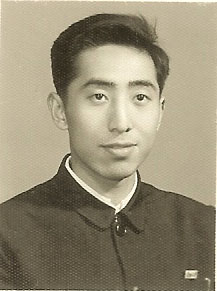
宫自强,天津人。 毕业后分配到天津市教育系统任教,曾任校长职务。 2001年退休。宫自强是我们1965届英语专业班的朗诵家。 他朗诵的红岩革命烈士诗抄,声情并茂,十分感人, 至今记忆犹新。江姐、陈然等烈士形象永远是鞭策我们奋进的巨大精神力量。宫自强于2025年12月19日因病去世,享年86岁。

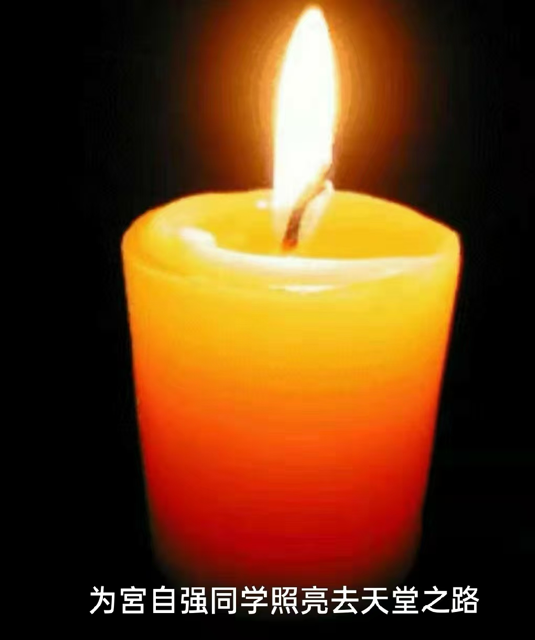
沉痛哀悼宫自强老同学去世,点一盞心灯照亮他去天堂的路,请家节哀保重!

正大光明李明德 23:43/01/07/2026:
惊闻老同学宫自强不幸去世,令人悲痛。自强待人真诚热情,乐于助人。同宿舍的相处,同窗情谊,往日的情景无法磨灭。毕业后各奔东西,只相聚一次,未曾想竟成永诀,化作无尽的遗憾。最近,我们接连失去三位老同学。生命何其脆弱,世事何其无常。同窗的离去,留给我们的是无尽的悲痛与思念。愿自强在另一个世界安息,再不受长期病痛的困扰。
颐园叟(崔永禄) 07:31/01/08/2016
沉痛悼念宫自強同学!宫自強同学较晚加入我们班,但到来之后,就积极热情参加各种活动,集会场合用标准的有磁性的声音朗诵,篮球场上是活跃的前锋,毕业后积极教学,晚年又与疾病顽强抗争。这些回想令人悲痛。宫自强同学一路走好!老同学安息!

宫自强生前照片
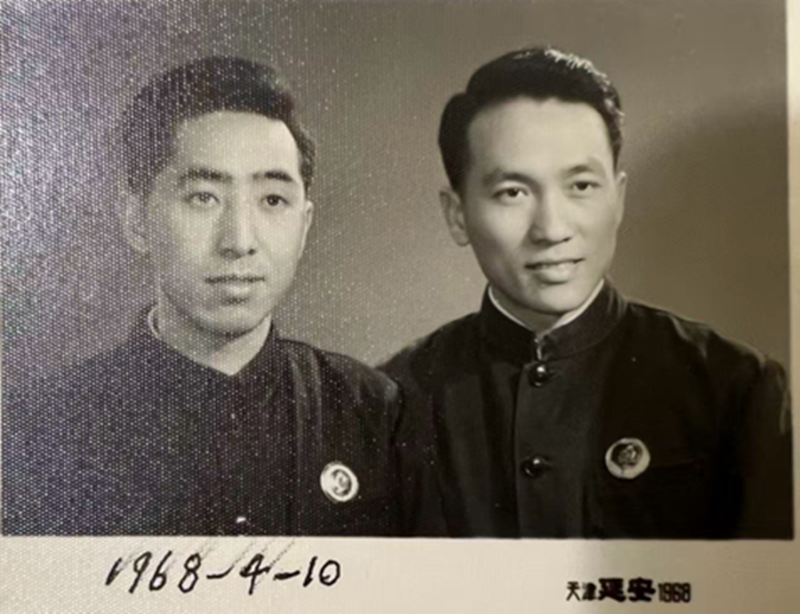
宫自强与徐基荣
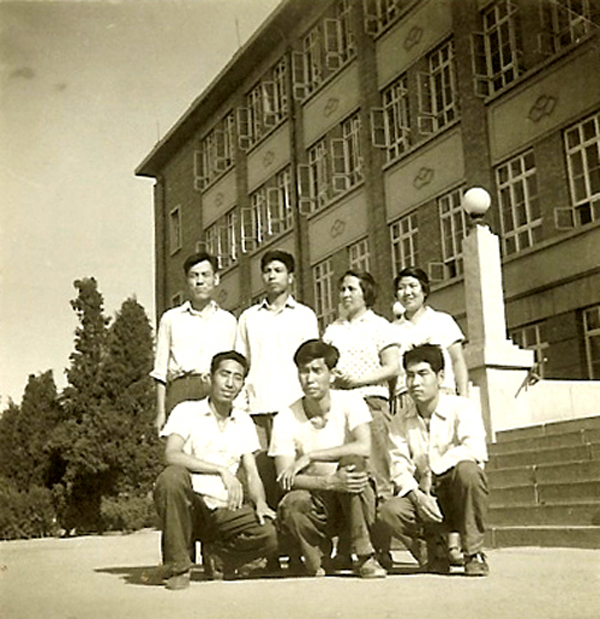
分组毕业照前排左一为宫自强 1965
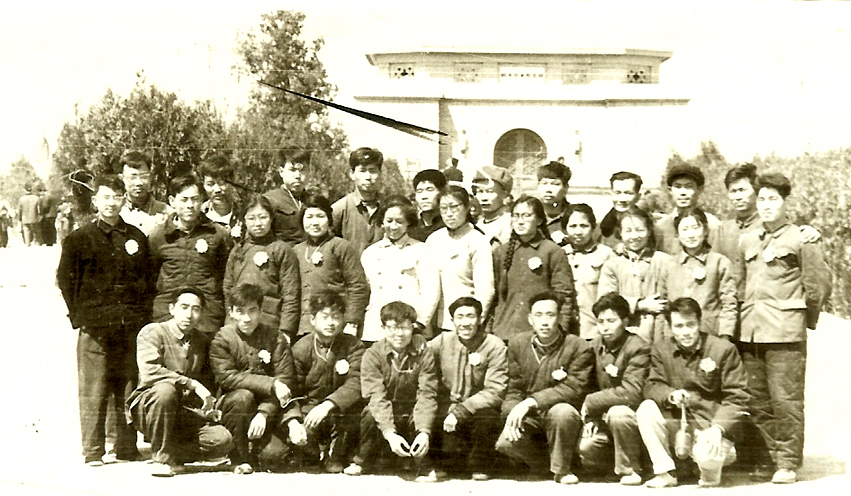
全班师生在天津烈士陵园合影,第一排左起第一人为宫自强,1965年。
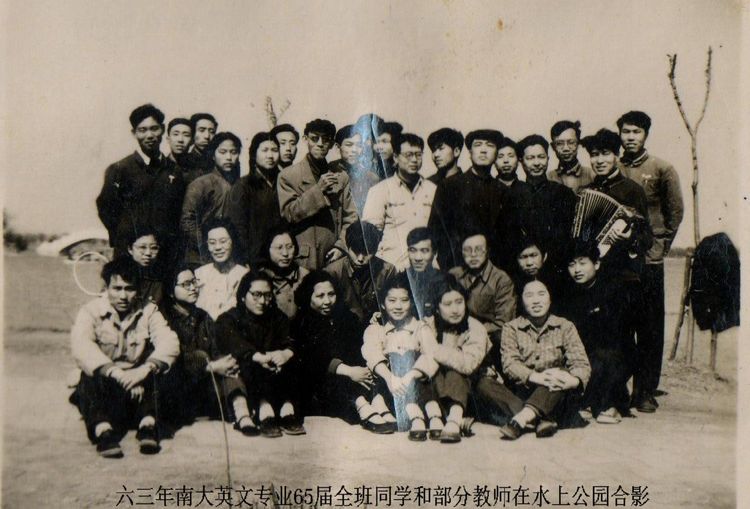
后排左起第三人为宫自强,1963年
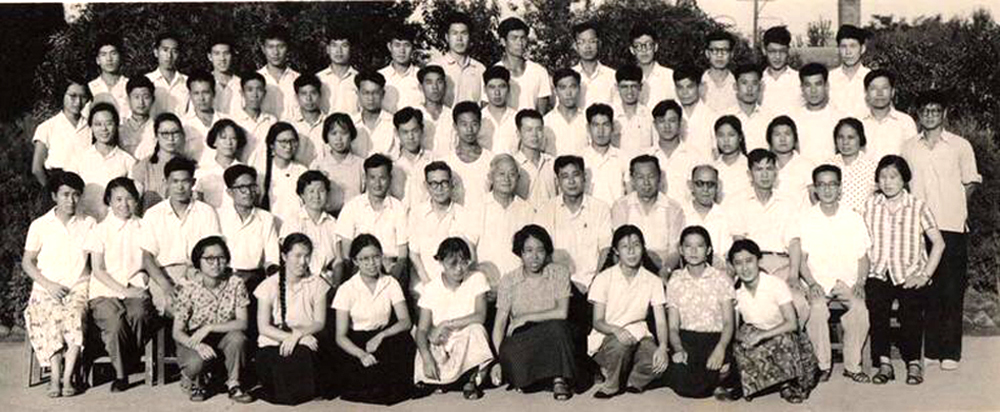
1965届英语俄语两个专业(两个班)毕业生与老师和当年的系领导的毕业照。第五排左起第二人宫自强。第二排的老师们左起陈云露、吕玉池团总支书记、邹金泰、谷生瑞总支副书记、黎凤鸣老师、李宜燮老师、高殿森老师、李霁野系主任、许士杰总支书记、陈有信副系主任、张秉礼老师、叶乃芳、孔延庚、张金玉政治辅导员, 1965年7月
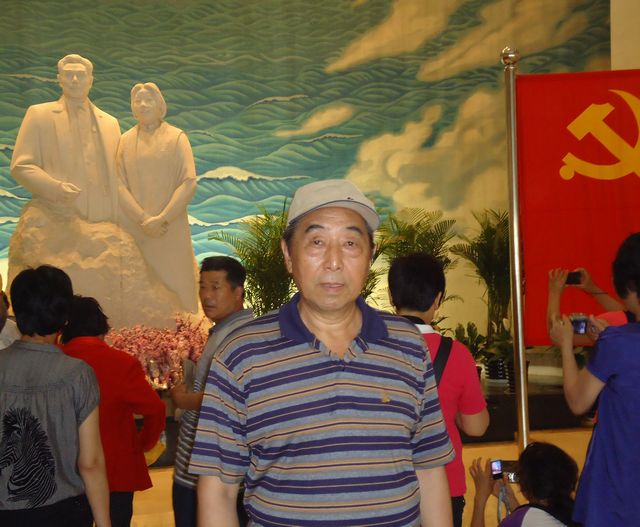
宫自强在周恩来邓颖超博物馆,6/15/2010
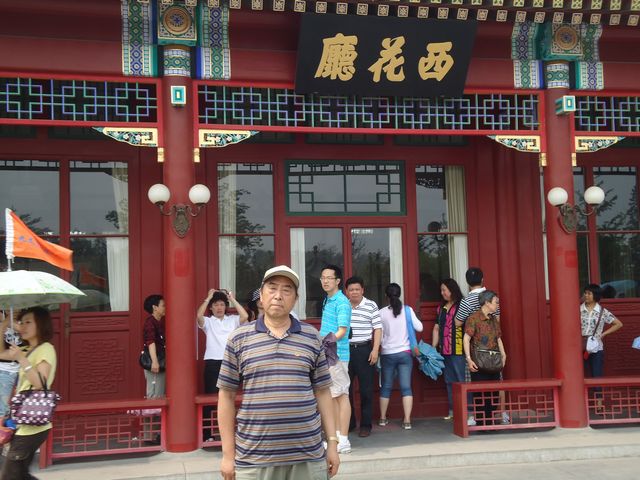
宫自强在周恩来邓颖超博物馆,6/15/2010
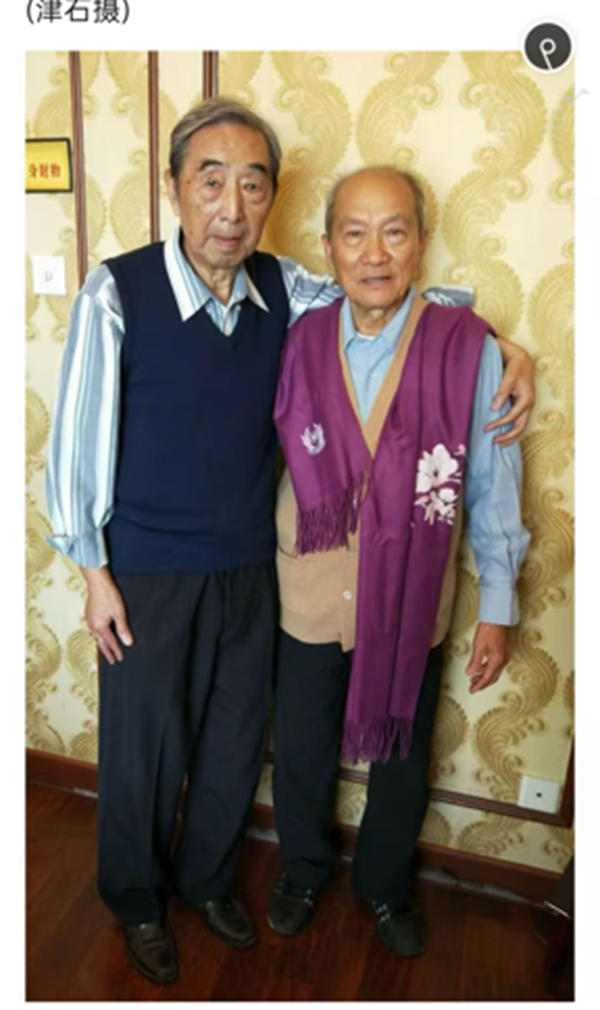
宫自强、徐基荣
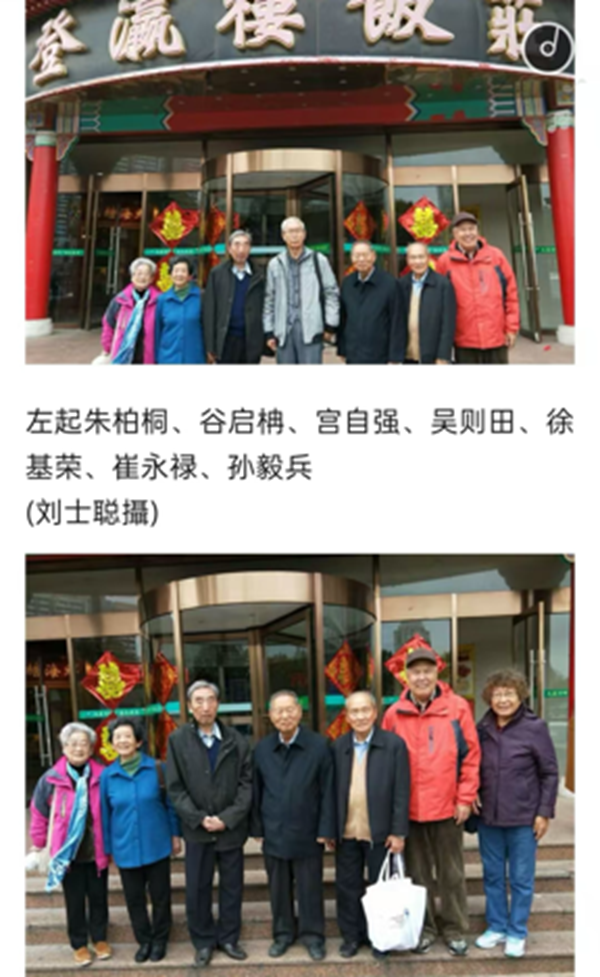
下图毅兵摄:左起朱柏桐、谷启楠、宫自强、刘士聪、吴则田、徐基荣、崔永禄
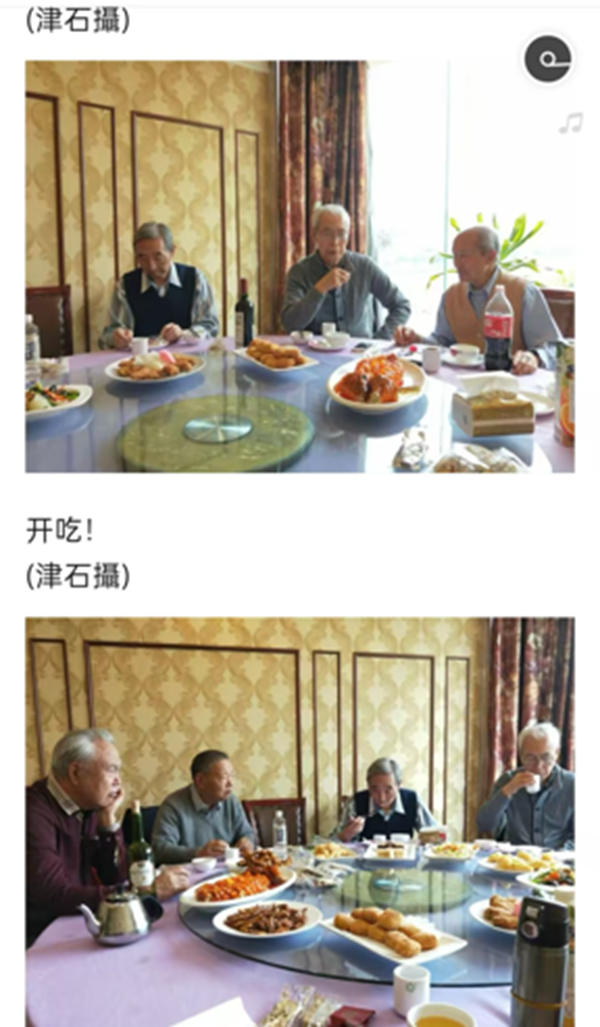
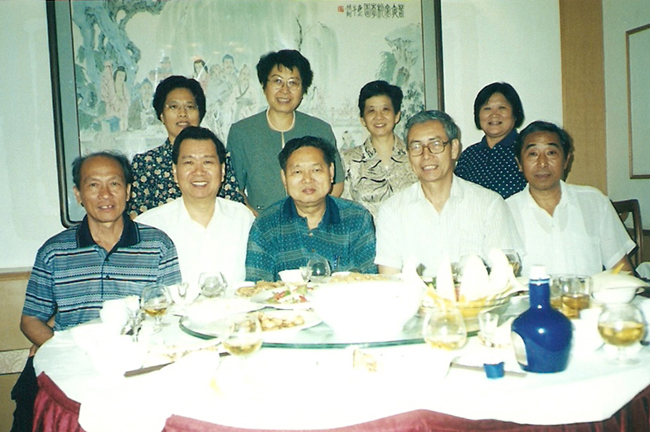
前排右起第一人为宫自强,1999
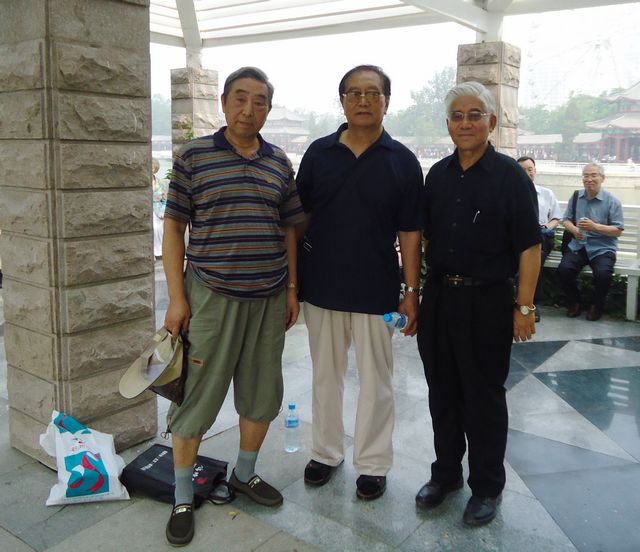
宫自强朱文俊高东山,6/15/2010于天津水上公园
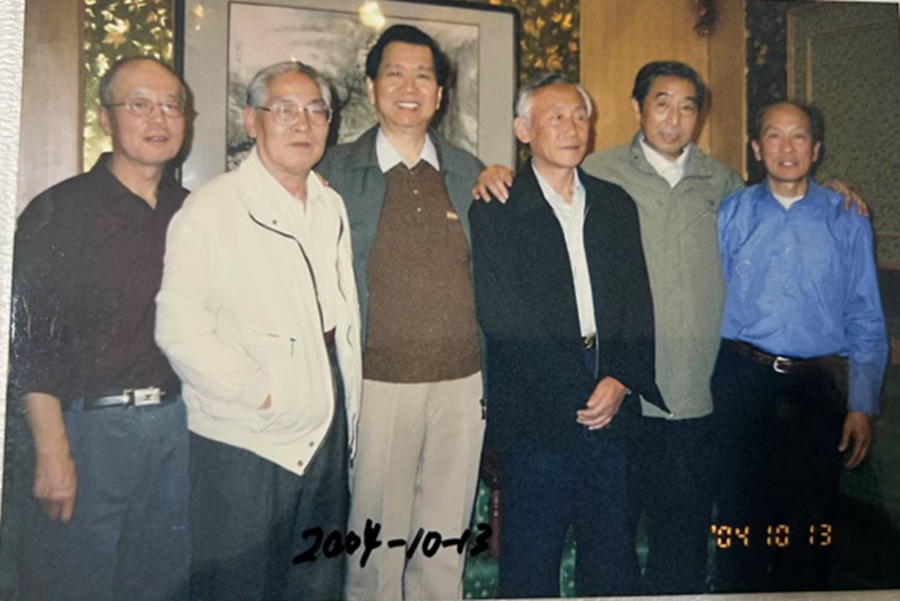
左起李廣然、劉煥群、常耀信、趙興、宮自強、徐基榮
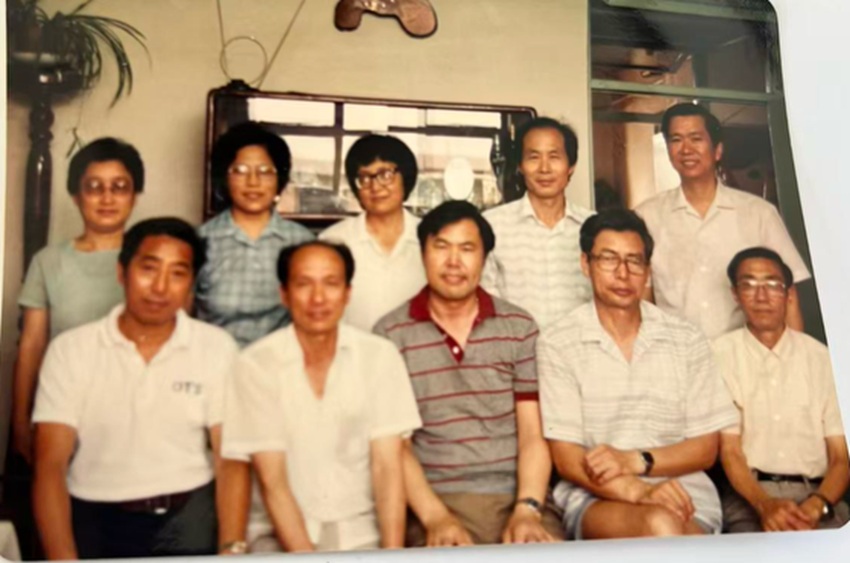
前排左起宫自强、徐基荣、崔永禄、刘士聪、李维树;后排左起朱柏桐、王蕴茹、孙毅兵、潘子立、常耀信
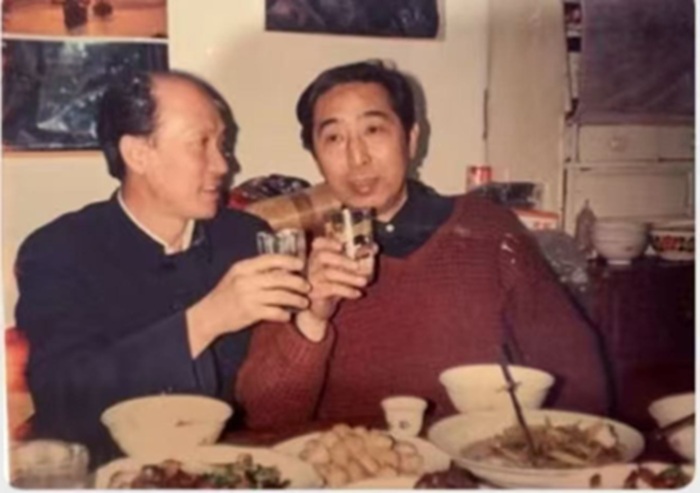
右起宫自强、徐基荣
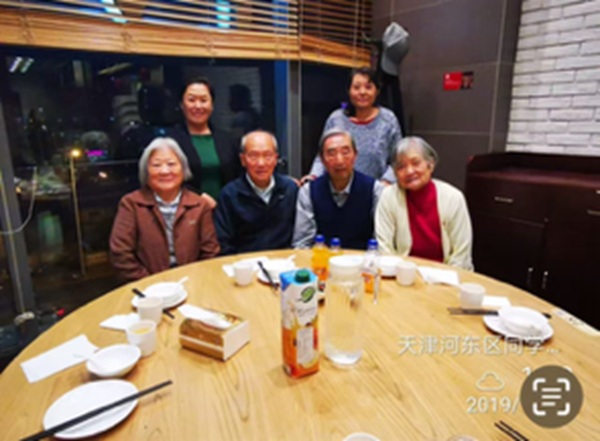
左起张老师、徐基荣、宫自强、
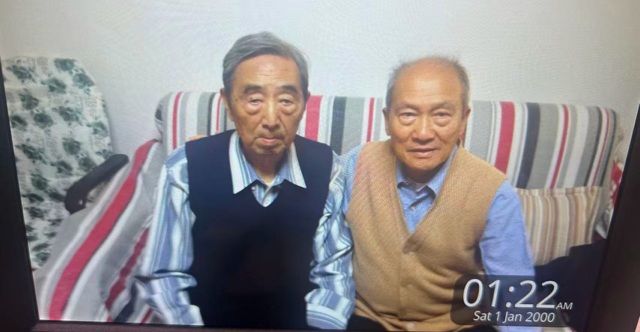
左起宫自强、徐基荣
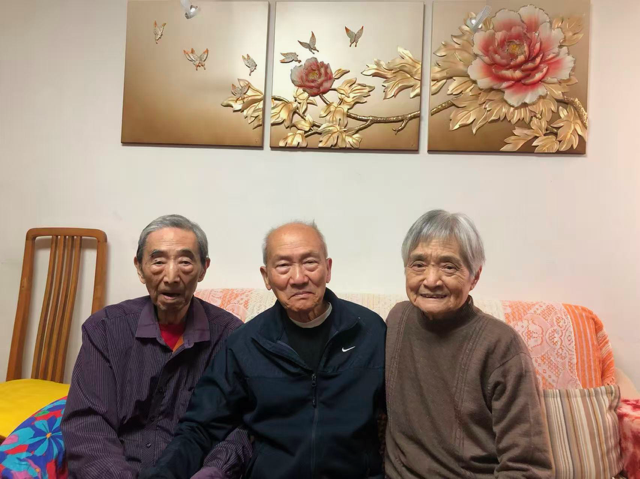
右起庞鹤云、徐基荣、庞鹤云先生
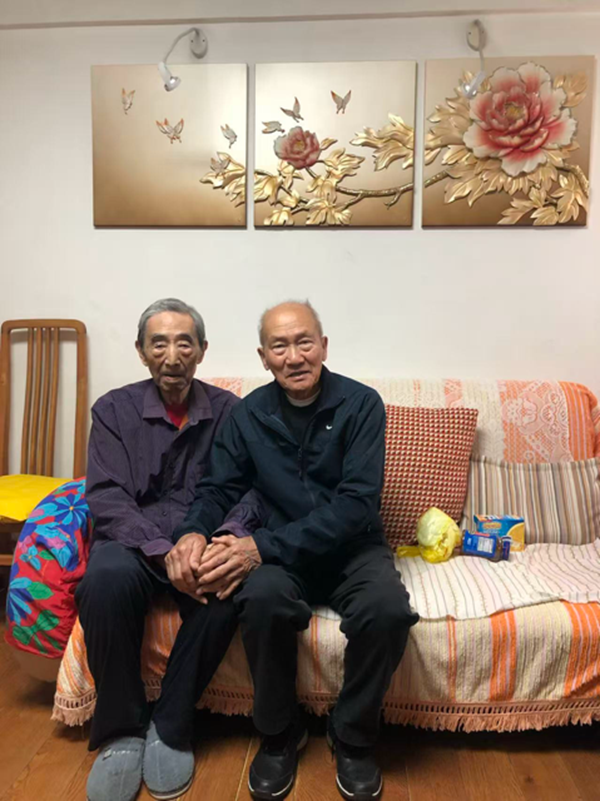
右起徐基荣、庞鹤云先生
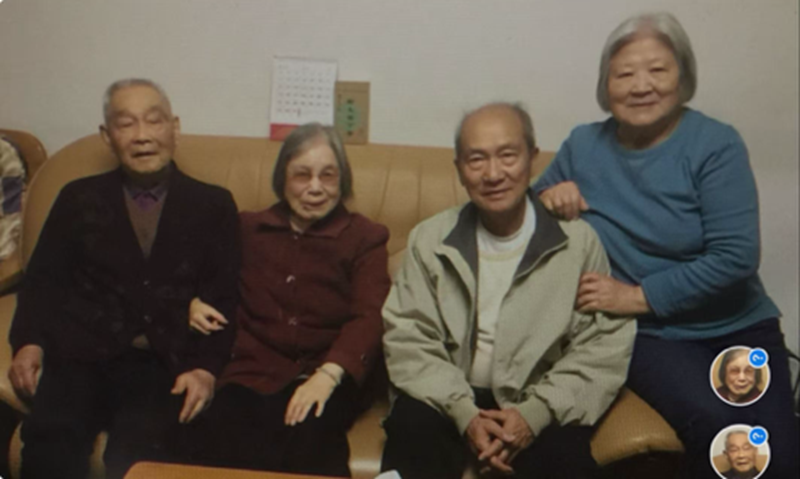
右起张老师、徐基荣

以下是自强上世纪60年代在南开外文系朗诵过的革命烈士诗歌
为了免除下一代的苦难
何敬平|作于狱中(渣滓洞)
为了免除下一代的苦难,
我们愿——
愿把这牢底坐穿!
我们是天生的叛逆者,
我们要把这颠倒的乾坤扭转!
我们要把这不合理的一切打翻!
今天,我们坐牢了,
坐牢又有什么希罕?
为了免除下一代的苦难,
我们愿——
愿把这牢底坐穿!
To Spare the Suffering of the Next Generation
by He Jingping
To spare the suffering of the next generation,
we are willing—
willing to sit through the very bottom of this prison.
We are rebels by nature.
We will twist this topsy-turvy world back into order.
We will overturn everything that is unjust and unreasonable.
Today, we are imprisoned—
but what is there to fear in prison?
To spare the suffering of the next generation,
we are willing—
willing to sit through the very bottom of this prison.
【作者简介】何敬平(1918-1949):四川巴县人。共产党员。曾在重庆电力公司工作。1948年4月被捕,囚于重庆“中美特种技术合作所”渣滓洞集中营,1949年重庆解放前夕牺牲。
这一首诗,是何敬平同志在狱中所作,并且自己谱成歌曲,深为狱中同志所喜爱。
|
|

就义诗
刘国鋕|作于狱中(渣滓洞)
同志们,听吧!
像春雷爆炸的,
是人民解放军的炮声!
人民解放了,
人民胜利了!
我们——
没有沾污党的荣誉!
我们死而无愧!
On My Martyrdom
by Liu Guozhi
Comrades, listen!
Like the crash of spring thunder—
it is the roar of the People’s Liberation Army’s guns!
The people are liberated.
The people have triumphed!
We—
have not sullied the Party’s honor!
We die without shame!
without regret!
【作者简介】刘国鋕:四川泸县人。共产党员。曾任中共重庆沙磁区特支书记。1948年4月被捕,囚于重庆“中美特种技术合作所”白公馆集中营,1949年重庆解放前夕牺牲。刘国鋕同志牺牲时,中国人民解放军已进抵重庆郊区,集中营中已清晰地听到我军的隆隆炮声。这时,刘国鋕同志心潮激奋,摸出暗藏的一小截铅笔,正要题诗欢庆解放,刽子手却出现在铁牢门口。刘国鋕同志面对胜利,挺身而出,他扔掉手上的铅笔,立刻高声朗诵道:“同志们,听吧!像春雷爆炸的,是人民解放军的炮声!……”直到他慷慨就义,朗诵声还不断传来,迄未中止。这里记下的,仅是他走出“白公馆”以前朗诵的一段。
我的“自白”书
陈然|作于狱中(渣滓洞)
我的“自白”书,
是无字的,
是无法用纸笔写出来的,
只有用敌人的枪口,
才能写出这篇文章。
我渴望着自由,
但也深深地懂得——
人的身躯怎能从狗洞子里爬出!
我希望有一天,
地下的烈火,
将我连这活棺材一齐烧掉,
我应该在烈火与热血中得到永生!
My “Confession”
by Chen Ran
My “confession”
is wordless.
It cannot be written
with pen or paper.
Only the enemy’s gun muzzle
can write this piece.
I yearn for freedom,
yet I know full well—
how could a human body
crawl out through a dog’s hole?
I hope that one day
the underground flames
will burn me together
with this living coffin,
and that in fire and blood
I shall gain eternal life!
【作者简介】陈然(1923年11月—1949年10月28日),1923年生于河北省香河县。无产阶级革命先烈,小说《红岩》中成岗的原型。1938年,陈然在湖北宜昌参加“抗战剧团”,投入抗日救亡运动,1939年3月在“抗战剧团”加入共产党。1947年初,在中共南方局文委的领导下,在重庆参与筹办了《彷徨》杂志,引导青年走与工农相结合的革命道路。1947年7月,任重庆地下党主办的《挺进报》特支组织委员,后任书记,负责报纸油印工作。
1948年4月22日,由于叛徒出卖,被国民党特务逮捕。在军统白公馆监狱,他受尽折磨,宁死不屈,留下了著名诗篇《我的“自白”书》,还把从国民党高级将领黄显声那里得到的消息写在纸条上,秘密传给难友,被称为“狱中挺进报”。1949年10月,新中国成立的消息传到监狱时,他和难友们抑制不住激动的心情,亲手缝制了一面五星红旗。
1949年10月28日,被国民党特务杀害于重庆渣滓洞附近的大坪刑场。他在刑场上横眉冷对,用反绑的双手将背上的死囚标签扯下,喝令“从正面向我开枪”,被敌人称为“慷慨悲歌之士”。
|

|
Welsh Poet George Herbert (1593-1633) |
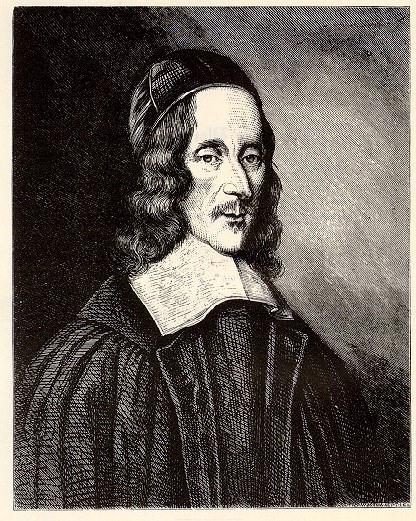
Portrait of George Herbert by Robert White (1674)
(This work of art is in the public domain.)
George Herbert (1593 – 1633) was a Welsh poet, orator and priest. Being born into an artistic and wealthy family, he received a good education which led to his holding prominent positions at Cambridge University and Parliament. As a student at Trinity College, Cambridge, England, George Herbert excelled in languages and music. He went to college with the intention of becoming a priest, but his scholarship attracted the attention of King James I. Herbert served in parliament for two years. After the death of King James and at the urging of a friend, Herbert's interest in ordained ministry was renewed. In 1630, in his late thirties he gave up his secular ambitions and took holy orders in the Church of England, spending the rest of his life as a rector of the little parish of St. Andrew Bemerton, near Salisbury. He was noted for unfailing care for his parishioners, bringing the sacraments to them when they were ill, and providing food and clothing for those in need. Throughout his life he wrote religious poems characterized by a precision of language, a metrical versatility, and an ingenious use of imagery or conceits that was favoured by the metaphysical school of poets. He is best remembered as a writer of poems and the hymn "Come, My Way, My Truth, My Life."

Hymn: Come My Way, My Truth, My Life
by George Herbert
Come, my Way, my Truth, my Life:
Such a way as gives us breath;
Such a truth as ends all strife,
Such a life as killeth death.
Come, my Light, my Feast, my Strength:
Such a light as shows a feast,
Such a feast as mends in length,
Such a strength as makes his guest.
Come, my Joy, my Love, my Heart:
Such a joy as none can move,
Such a love as none can part,
Such a heart as joys in love.
Easter Wings
by George Herbert |
|
| |
Lord, Who createdst man in wealth and store,
Though foolishly he lost the same,
Decaying more and more,
Till he became
Most poore:
With Thee
O let me rise,
As larks, harmoniously,
And sing this day Thy victories:
Then shall the fall further the flight in me.
My tender age in sorrow did beginne;
And still with sicknesses and shame
Thou didst so punish sinne,
That I became
Most thinne.
With Thee
Let me combine,
And feel this day Thy victorie;
For, if I imp my wing on Thine,
Affliction shall advance the flight in me.
 这首诗是英诗中最早的象形诗(pictographic poetry)之一,其诗行形状象征天使的两翼。象形诗也叫做“具体诗(concrete poetry)或形状诗(shaped poetry). 这首诗是英诗中最早的象形诗(pictographic poetry)之一,其诗行形状象征天使的两翼。象形诗也叫做“具体诗(concrete poetry)或形状诗(shaped poetry).
Love (III)
by George Herbert |
|
|
| |
Love bade me welcome: yet my soul drew back,
Guilty of dust and sin.
But quick-ey'd Love, observing me grow slack,
From my first entrance in,
Drew nearer to me, sweetly questioning,
If I lack'd anything.
A guest, I answer'd, worthy to be here:
Love said, You shall be he.
I the unkind, ungrateful? Ah my dear,
I cannot look on thee.
Love took my hand, and smiling did reply,
Who made the eyes but I?
Truth Lord, but I have marr'd them: let my shame
Go where it doth deserve.
And know you not, says Love, who bore the blame?
My dear, then I will serve.
You must sit down, says Love, and tast me meat:
So I did sit and eat. |
|
The World
by George Herbert |
|
Love built a stately house, where Fortune came,
And spinning fancies, she was heard to say
That her fine cobwebs did support the frame,
Whereas they were supported by the same;
But Wisdom quickly swept them all away.
The Pleasure came, who, liking not the fashion,
Began to make balconies, terraces,
Till she had weakened all by alteration;
But reverend laws, and many a proclomation
Reforméd all at length with menaces.
Then entered Sin, and with that sycamore
Whose leaves first sheltered man from drought and dew,
Working and winding slily evermore,
The inward walls and summers cleft and tore;
But Grace shored these, and cut that as it grew.
Then Sin combined with death in a firm band,
To raze the building to the very floor;
Which they effected,--none could them withstand;
But Love and Grace took Glory by the hand,
And built a braver palace than before. |
|
|
|
|

【附]请大家一起呼吁:祖国文明建设应从央视和国营媒体禁刊酒类广告做起。酒,从精神到肉体已经伤害了无数国人!
-《海外南开人网》敬启
|