

|
|
|
|---|
 |
 |
 |
 |
 |
|
 |
|---|
|
善不可谓小而无益 Good Deeds Cannot Be Dismissed as Too Small to Be of Benefit
【賈誼作者簡介】:見本書《前事之不忘,后事之师也》
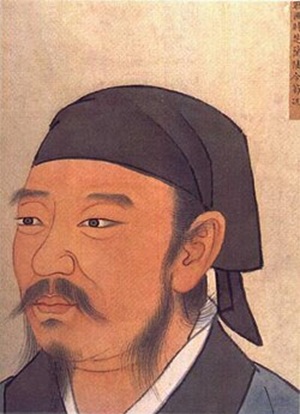
他相信性惡論,人與生俱來本無道德,若放縱情慾不加節制,將互相仇恨和鬥爭;道德價值是後天人為建構的,由聖人創造,以規範和美化人性。 荀子重視人的理性和學習能力,認為善行是後天學習而得的,人人都有學習禮義的能力;君子應憑著個人修養,鍥而不捨的努力,日積月累養成美德。政治上荀子提調尊君,強調君主確立社會秩序與道德教化的作用,彰顯儒家的聖王理想與政教合一的觀念。荀子主張任用賢能,國君把政務交與大臣處理;國家要控制思想,打擊異端邪說,以法律補充禮制以維繫社會秩序。 自然論方面,荀子傾向唯物主義,認為天地並無意志,不信墨家天人感應和鬼神之說,提出利用自然和改造自然。 荀子受譽為一代大儒,地位崇高,對後世特別是漢代的儒學思想與政治文化影響頗深。在宋、元、明三朝曾從祀於孔廟;但因其性惡論及曾抨擊孟子,自宋代以來也受不少儒者批評,被視為孔門異端(至少是「歧出」),甚至是法家人物。直至清代才因考據學而又被重新評估、定位。 Introduction to the author Jia Yi: See 《Lessons of the past serve as teachers for the future》 Introduction to the author Xunzi: Xunzi (c. 316 BCE – c. 237 BCE), personal name Kuang, honorifically called Xun Qing and also known as Sun Qing, was a Confucian scholar and thinker of the Warring States period. A native of the State of Zhao, he once served as the rector of the Jixia Academy in Qi, traveled to Zhao and Qin to persuade rulers, and promoted Confucian learning and the Six Classics. He criticized other Confucians such as Zisi and Mencius, as well as rival schools including Mohism and Daoism. His disciples included Han Fei and Li Si. His writings were later compiled into the book 《Xunzi》. As a leading pre-Qin Confucian figure, he is ranked alongside Confucius and Mencius as “Kong, Meng, and Xun.” Following Confucius, Xunzi emphasized moral ethics, advocating benevolence, righteousness, ritual propriety, and loyalty and trustworthiness. He brought together pre-Qin theories of ritual into a comprehensive system, stressing self-cultivation through ritual and education by means of ritual institutions. He upheld the doctrine of the innate evil of human nature: people are born without morality, and if desires are indulged without restraint, they will fall into hatred and conflict. Moral values, he argued, are later, artificial constructions created by sages to regulate and refine human nature. Xunzi valued human reason and the capacity to learn, holding that good conduct is acquired through study, and that everyone has the ability to learn ritual and righteousness. A gentleman, through personal cultivation and persistent effort over time, should accumulate virtue. Politically, Xunzi stressed reverence for the ruler and the monarch’s role in establishing social order and moral transformation, expressing the Confucian ideal of the sage-king and the unity of governance and education. He advocated employing the capable, delegating administration to ministers, maintaining state control over thought, suppressing heterodox doctrines, and using law to supplement ritual in preserving social order. In natural philosophy, Xunzi leaned toward materialism: he believed Heaven and Earth have no will, rejected the Mohist doctrine of cosmic resonance and the existence of spirits, and promoted the use and transformation of nature. Celebrated as a great Confucian of his age。 He held an exalted position and exerted profound influence on later Confucian thought and political culture, especially in the Han dynasty. He was honored in the Confucian Temple during the Song, Yuan, and Ming dynasties. Yet because of his doctrine of innate evil and his criticism of Mencius, he was also harshly criticized by later Confucians, sometimes regarded as a heterodox figure within the Confucian tradition—or even as aligned with Legalism. Only in the Qing dynasty, with the rise of evidential scholarship, was he re-evaluated and re-positioned.
|
|
|---|
| Contact 联系 | Last Revised
11/05/2025
| |


.jpg)
