


|
|
|
|---|
 |
 |
 |
 |
 |
|
 |
|---|
|
读西南联大校歌①有感和词
寄調 满 江 红 川 迟 (September 20, 2011)
中华大地,多少事、壮怀激烈。 复神州、遍洒英雄泪,情凄切。 On Reading School Song -To the Tune of Man Jiang Hong by Chuan Chi (Written on September 20, 2011)
The vast land of China has seen countless deeds heroic and valiant, For the revival of China so many people devoted their lives and all,
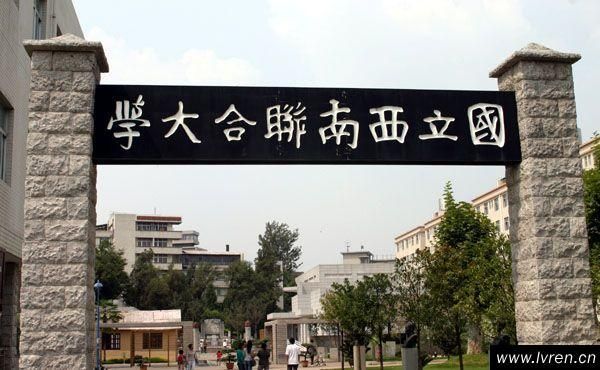
① 西南聯大中文系教授罗膺中(罗庸)填词《满江红》联大教师张清常谱曲,为西南联大校歌。 “万里长征,辞却了五朝宫阙。暂驻足,衡山湘水,又成别离。绝徼移栽桢干质,九州遍洒黎元血。尽笳吹,弦诵在山城,情弥切! 1937 年卢沟桥事变后,中华民族面对危亡关头,北大、清华、南开三校合并成立国立西南联合大学,1938 年5 月4 日正式开课,直至1946 年5 月4 日结束,西南联大在云南办学9 年中,毕业学生2000 余人。抗日战争胜利以后,西南联大解散。北大,清华,南开分别迁回北京、天津复校。西南联大在抗日救国的战火纷飞中培养出了至少7 位两弹一星元勋,约171 位中国科学院或中国工程院院士。锦绣江山谁是中华主人翁,是我们十三亿同胞,风雨中一路走来,中国的教育如何能够继承和发扬联大成功的办学经验,以迎接中华民族复兴、崛起的千载难逢的大好机遇,深值当今学人深思。 ② 汉乐府《饶歌》中有《思悲翁》曲,指思念有忧国之心的老成之士。肝胆洞:明澈可见,形容待人真诚。 【詩人簡介】見本書《七言》。 Notes: ①Professor Luo Yingzhong (Luo Yong) of the Chinese Department at Southwest Associated University composed lyrics 《To the Tune Man Jiang Hong》, and faculty member Zhang Qingchang set them to music. This became the school song of Southwest Associated University. The school song 《Man Jiang Hong》 goes as follows:
After the Marco Polo Bridge Incident in 1937, when the Chinese nation faced a crisis of survival, Peking University, Tsinghua University, and Nankai University merged to form the National Southwest Associated University (Lianda). Classes formally began on May 4, 1938, and continued until May 4, 1946. For nine years, Lianda operated in Yunnan and graduated over 2,000 students. After Japan’s defeat in the War of Resistance, Lianda was dissolved, with Peking University, Tsinghua, and Nankai returning to Beijing and Tianjin to resume their campuses. Amid the flames of the anti-Japanese war, Lianda produced at least seven “Two Bombs, One Satellite” pioneers and around 171 academicians of the Chinese Academy of Sciences or Chinese Academy of Engineering. The question remains: Who are the true heirs of China’s splendid land? It is our 1.3 billion compatriots. As we have walked this stormy road, how can China’s education inherit and carry forward Lianda’s successful model of schooling, so as to meet the once-in-a-millennium opportunity of national revival and rise? This is a profound issue worthy of deep reflection by today’s scholars. ②This comes from the Han dynasty 《Music Bureau》 song "Rao Ge", particularly the piece "Song of the Sorrowful Old Man", referring to venerable figures with deep concern for the nation. “Liver and gallbladder laid bare” means being so transparent that one’s inner organs could be seen—an image for treating others with complete sincerity. Introduction to the poet: See 《Seven-character Verse》 in this book.
|

|
|---|
| Contact 联系 | Last Revised
09/28/2025
| |

 【註】
【註】

